
Understanding Hammertoes: Causes and Risk Factors
- posted: Oct. 30, 2025
Foot discomfort can make even the simplest daily activities—like walking, driving, or standing—feel challenging. One common condition that affects both comfort and mobility is hammertoe. At Frontier Foot & Ankle Specialists, serving Kingsport, Johnson City, and Bristol, TN, Dr. Ann L. Wolford and Dr. Michael J. Willis help patients understand the causes, risk factors, and treatment options for this often-painful toe deformity.
What Is a Hammertoe?
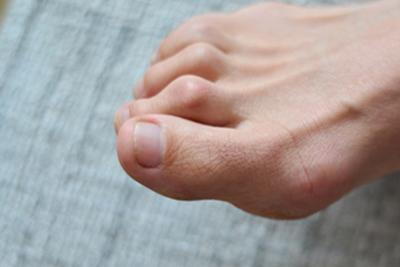
A hammertoe occurs when one or more of the smaller toes bend abnormally at the middle joint, creating a curled or “hammer-like” appearance. Over time, this joint deformity can become rigid, making it difficult or painful to straighten the affected toe.
Hammertoes most often develop in the second, third, or fourth toes. In early stages, the toe may still be flexible, but if left untreated, the muscles and tendons tighten, causing the joint to stiffen permanently.
Common Causes of Hammertoes
Several factors can lead to the development of hammertoes. In many cases, it’s the result of muscle imbalance in the foot, but external factors can also play a role.
- Improper Footwear
Shoes that are too tight, narrow, or have high heels can crowd the toes, forcing them into an unnatural position. Over time, this pressure can cause the muscles to shorten and the joint to bend permanently. - Genetics
Some people inherit a foot structure that makes them more prone to developing hammertoes. Flat feet, high arches, or a longer second toe can all contribute to the condition. - Trauma or Injury
An injury—such as stubbing or breaking a toe—can disrupt the normal balance of the toe’s tendons and muscles, leading to hammertoe formation. - Muscle Imbalances and Nerve Conditions
Conditions that affect nerve and muscle function, such as diabetes or neuromuscular disorders, may cause muscle weakness or imbalance, increasing the likelihood of hammertoes. - Arthritis
Inflammatory conditions like rheumatoid arthritis can cause joint damage and deformity, leading to hammertoe development over time.
Risk Factors
Certain individuals are more at risk of developing hammertoes. Factors include:
- Wearing ill-fitting shoes for long periods
- Age, as muscles and ligaments lose elasticity over time
- Gender, since women are more likely to wear restrictive footwear
- Underlying foot deformities such as bunions
- Certain medical conditions, including diabetes and arthritis
Recognizing these risk factors early allows for proactive steps—such as choosing supportive shoes and performing foot-strengthening exercises—to help prevent hammertoe progression.
When to See a Foot Specialist
Mild hammertoes can sometimes be managed with conservative treatments, including padding, splints, or changes in footwear. However, if pain persists or the toe becomes rigid, professional evaluation is essential.
At Frontier Foot & Ankle Specialists, Dr. Ann L. Wolford and Dr. Michael J. Willis perform a detailed examination to determine the severity of the condition and recommend appropriate care—ranging from non-surgical options to corrective surgery for more advanced cases. Their goal is to relieve discomfort, restore alignment, and improve long-term foot function.
Take the First Step Toward Relief
Hammertoes don’t have to limit your mobility or quality of life. Early diagnosis and treatment can prevent complications and help you stay active and pain-free.
Contact Frontier Foot & Ankle Specialists in Kingsport, TN, serving Johnson City and Bristol, to schedule an appointment today.
Your feet deserve the expert care and attention that keeps every step comfortable and confident.
